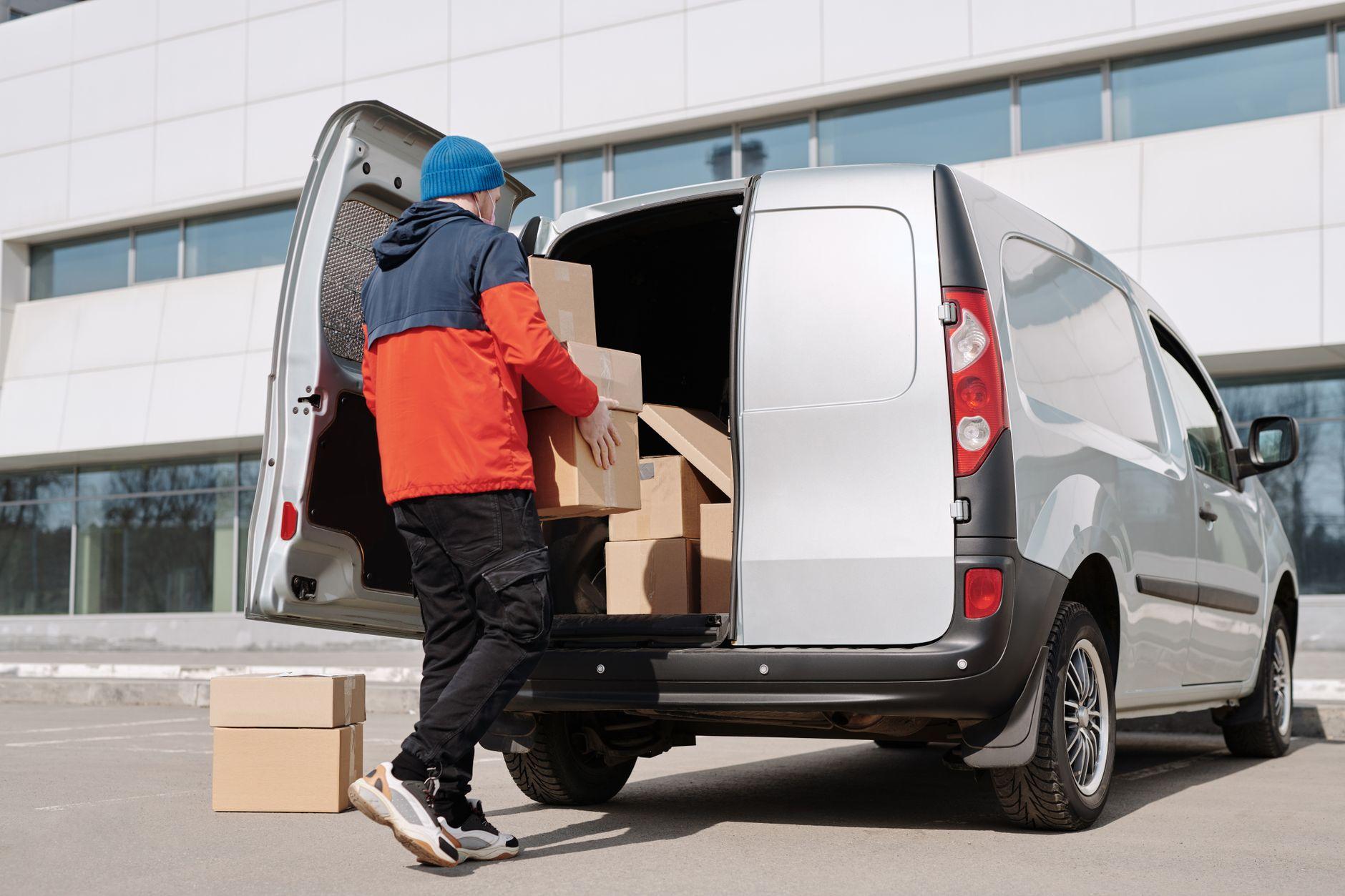
Debunking Tax Myths for Self-Employed Delivery Crews
By the Parcelink ops team
Are you tangled up in tax myths as a self-employed delivery crew member? Navigating tax responsibilities might seem daunting, but ignoring them could lead to costly errors. Discover the realities behind common misconceptions and learn how Parcelink's network of delivery experts stays compliant and efficient.
- Self-employed delivery crews must handle their own tax obligations.
- Common myths about tax can lead to costly mistakes for delivery crews.
- Parcelink's network empowers crews with flexibility, handling major brand deliveries.
Key takeaways

Step 1 of 6
Myth: Self-Employed Means No Tax
Self-employed delivery crews are responsible for their own tax payments. Many mistakenly believe that being self-employed means avoiding tax, but this misconception can lead to significant penalties. As a Parcelink crew member, you'll need to register with HMRC, file tax returns, and pay National Insurance contributions.
Step 2 of 6
Misconception: Expenses Aren't Deductible
Deducting business expenses is crucial for self-employed professionals. Parcelink's crews can claim legitimate business expenses such as vehicle maintenance and fuel, reducing their taxable income. Ignoring this could result in overpaying taxes, hindering your financial growth.

Step 3 of 6
Confusion: VAT Registration Isn't Necessary
VAT registration is required if your turnover exceeds the VAT threshold. Often overlooked, this regulation is vital, and Parcelink's network ensures that you understand tax obligations and remain compliant. Staying informed shields you from unforeseen complications and penalties.
Step 4 of 6
Myth: Seasonal Work Isn't Taxed
Even seasonal earnings are taxable. Parcelink's crews who excel in peak periods must report all earnings, regardless of season. This ensures you're compliant and avoids last-minute tax surprises. Planning ahead with guidance from the network can enhance your financial strategy.
Step 5 of 6
Resolve Your Tax Queries with Professional Guidance
Navigating tax laws is complex, but help is at hand. Parcelink's experienced network, handling deliveries for major brands like Bosch and Hoover, offers insights and assistance, ensuring you're never alone in managing your tax obligations. Embrace the support and focus on growing your business.
Frequently asked questions
Do self-employed delivery crews pay tax?
Yes, self-employed delivery crews must pay tax. They are responsible for registering with HMRC, filing tax returns, and paying National Insurance contributions.
Can delivery crews claim business expenses?
Yes, self-employed delivery crews can claim legitimate business expenses such as fuel and vehicle maintenance, which can reduce their taxable income.
Is VAT registration required for delivery crews?
VAT registration is necessary if a delivery crew's turnover exceeds the VAT threshold. Staying informed about such obligations helps avoid penalties.
Are seasonal earnings taxable for delivery crews?
Yes, seasonal earnings are taxable and must be reported, ensuring compliance with tax regulations and avoiding unexpected liabilities.
How can Parcelink help with tax guidance?
Parcelink provides a network of experienced delivery professionals who offer insights and support in managing tax obligations, helping crews focus on growth.
Sources: HMRC Self Assessment · National Insurance for self-employed · VAT registration threshold


Ready to drive with Parcelink?
Weekly pay, local routes and paid training. Apply in minutes.
Start your application