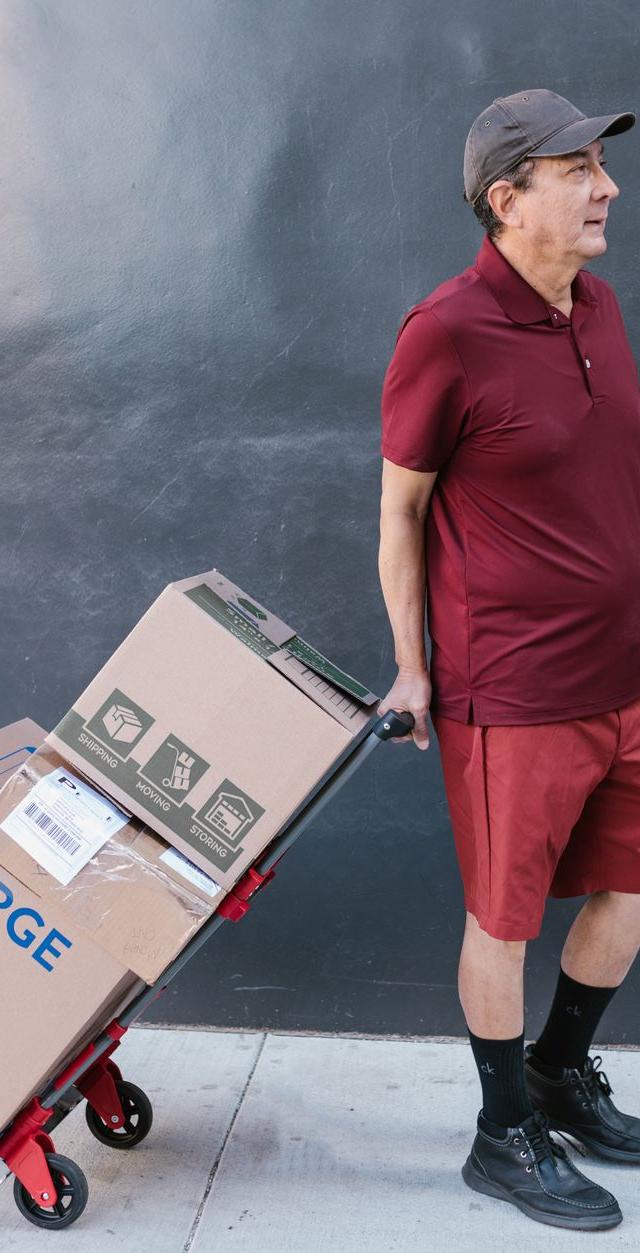
Delivery jobs: can you keep control of your week?
By the Parcelink ops team · · 5 min read
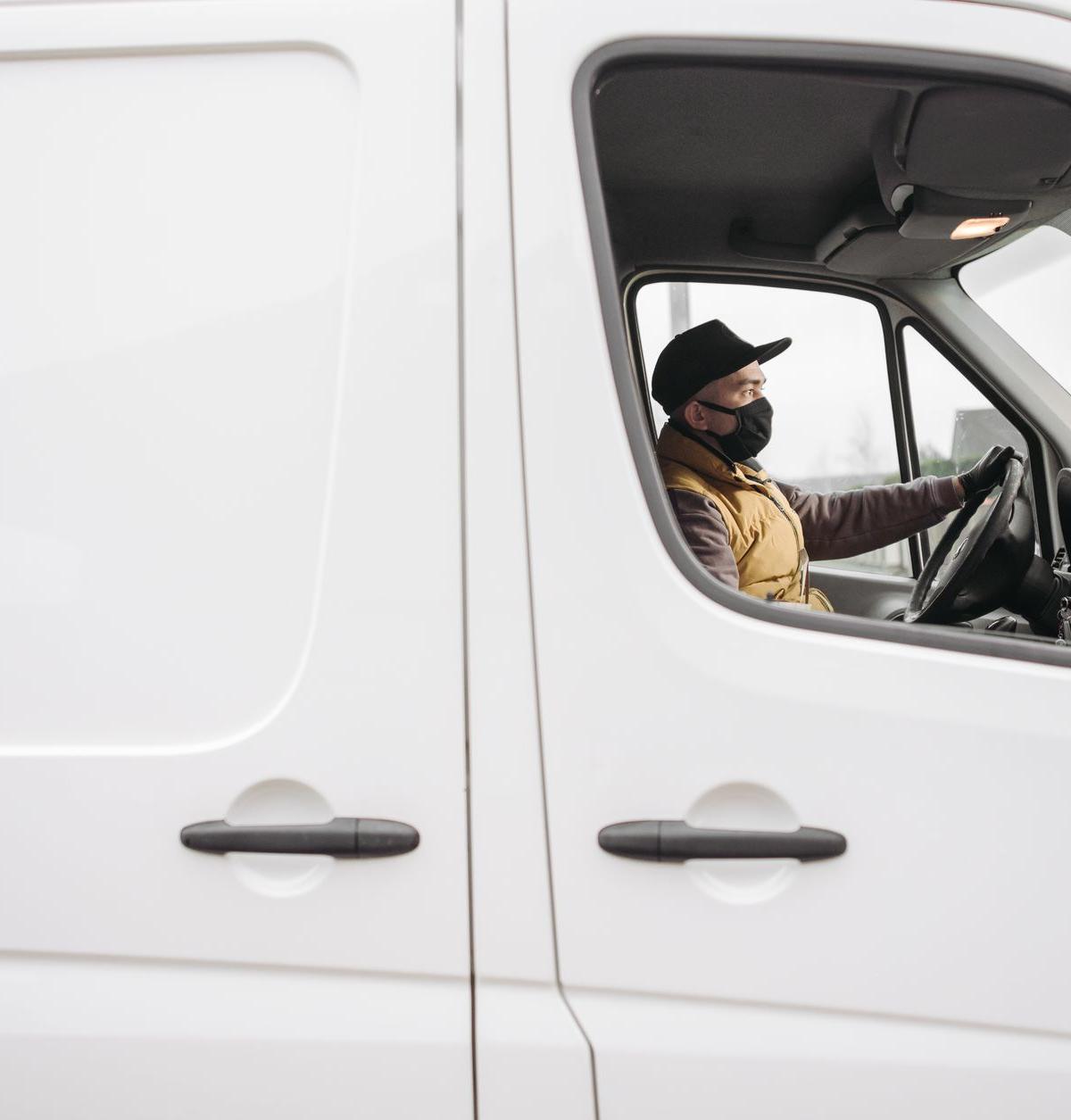
Your phone is glowing beside a cold mug of tea as you scroll through delivery jobs, trying to work out whether any would leave you more control over your week. The frustration is not necessarily the work itself; it is having to fit everything else around it. Self-employed work sounds promising, but you do not want to swap one rigid arrangement for another with a different label. The useful question is not simply whether a role is flexible, but exactly what you can choose before you commit.
Key takeaways
- Two-person furniture and appliance delivery includes work inside customers’ homes, not just time behind the wheel.
- Parcelink offers six days of paid training and weekly pay to your bank; confirm arrangements before committing your time.
In this article
Can I choose which days I work?
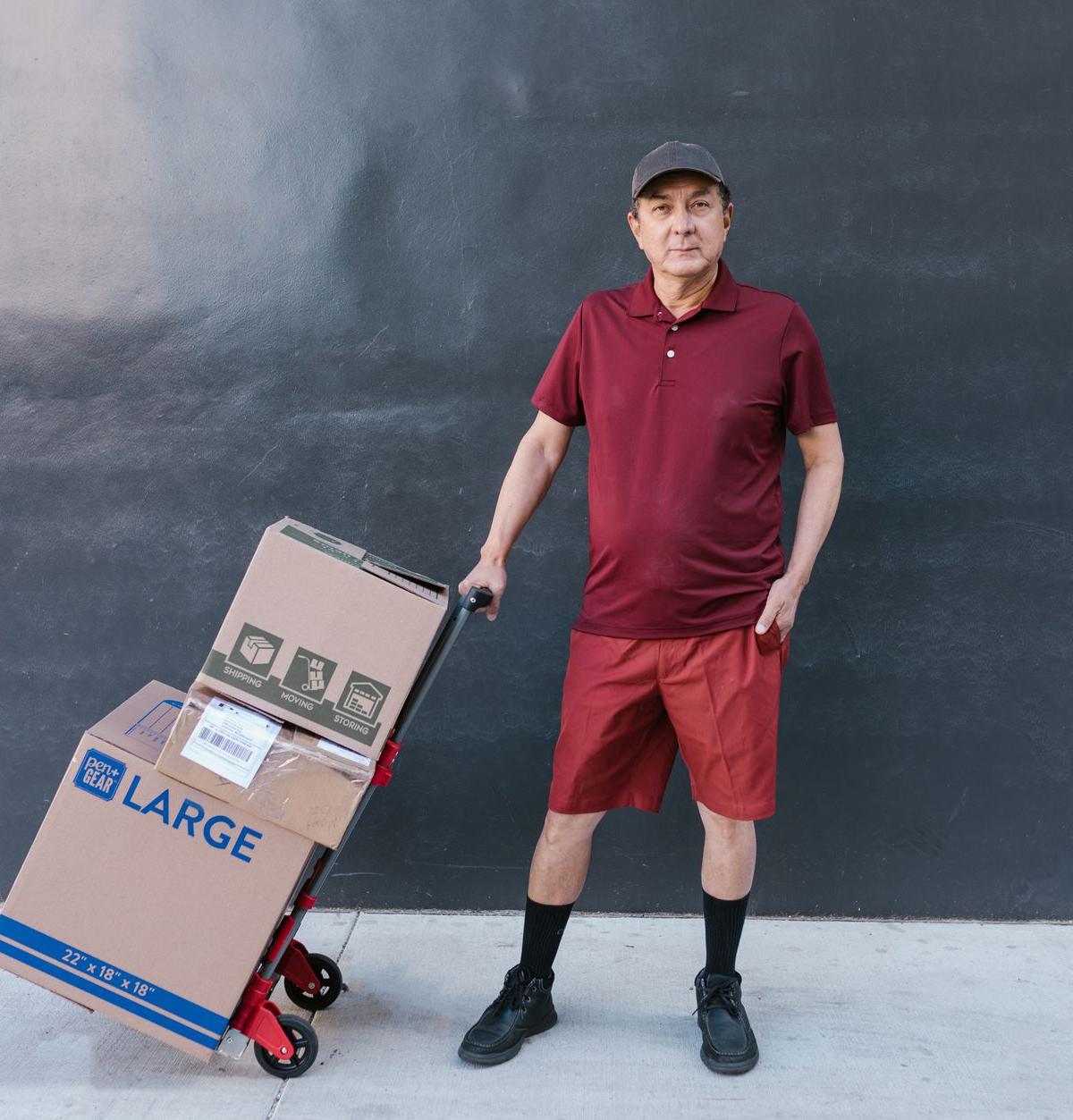
Do not treat self-employed status as a promise that you can choose any working days you like. For any delivery driver jobs you consider, confirm how your availability is agreed and what commitment follows once you accept work.
Start with your own calendar rather than the advert. Mark the commitments you need to protect: the school gate, a regular appointment, or a day you want to keep free. Then ask a precise question: ‘Can I offer these days, and how far ahead would I need to confirm them?’ A clear answer is more useful than the word ‘flexible’.
What should I ask before agreeing to delivery work?
Ask how work is offered, whether there is a minimum commitment, and what happens if either side needs to change an agreed day. Get those answers before deciding whether the arrangement gives you the control you want.
Keep a short checklist beside each advert for driving and delivery jobs: where would I start, how much notice would I receive, can I decline offered work, and what happens if a delivery day runs beyond the expected finish? Ask for the relevant terms in writing. If you cannot yet tell how the arrangement would fit your Tuesday afternoon, you do not yet have enough information to commit.
What would I actually do beyond driving the van?
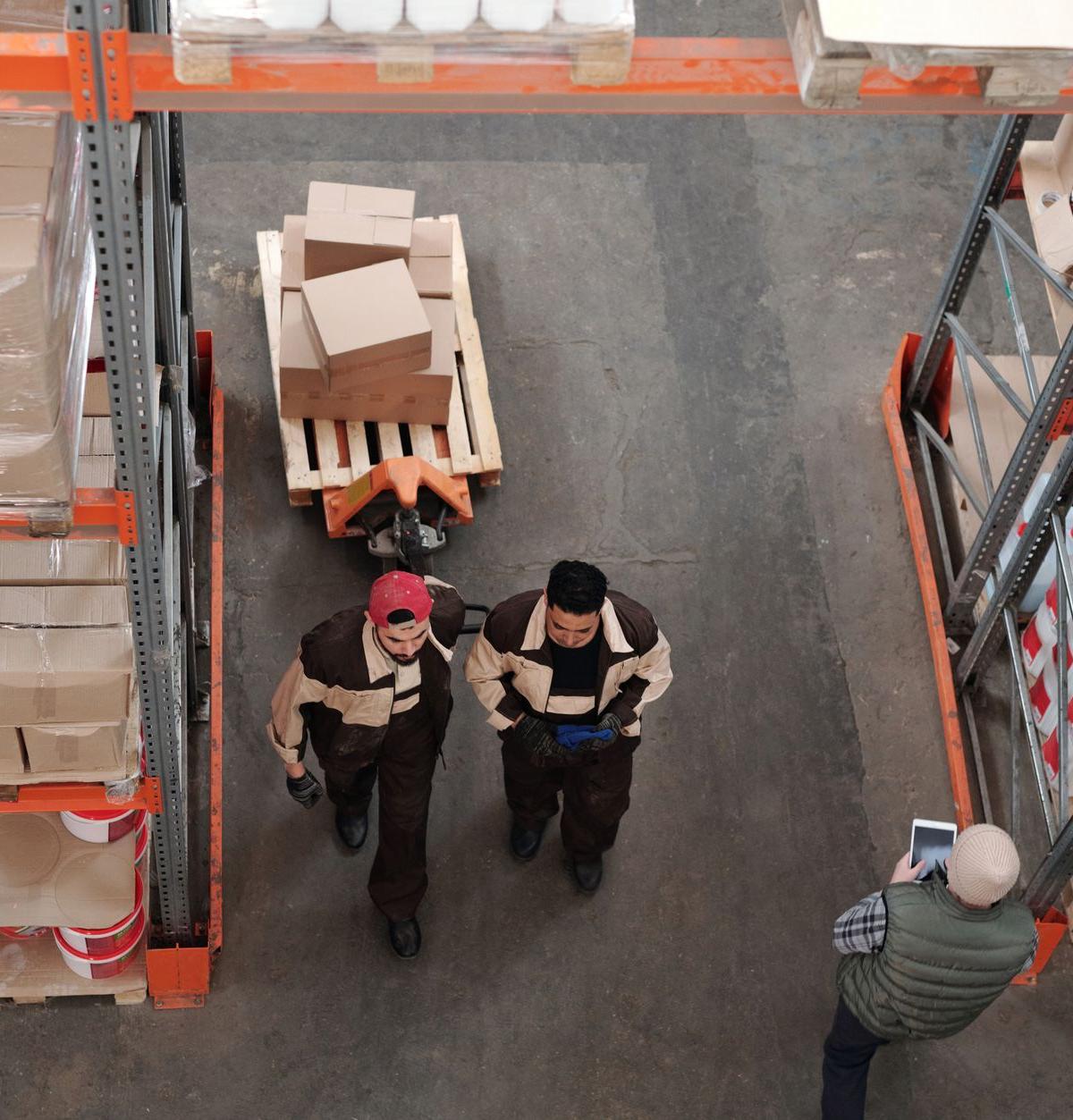
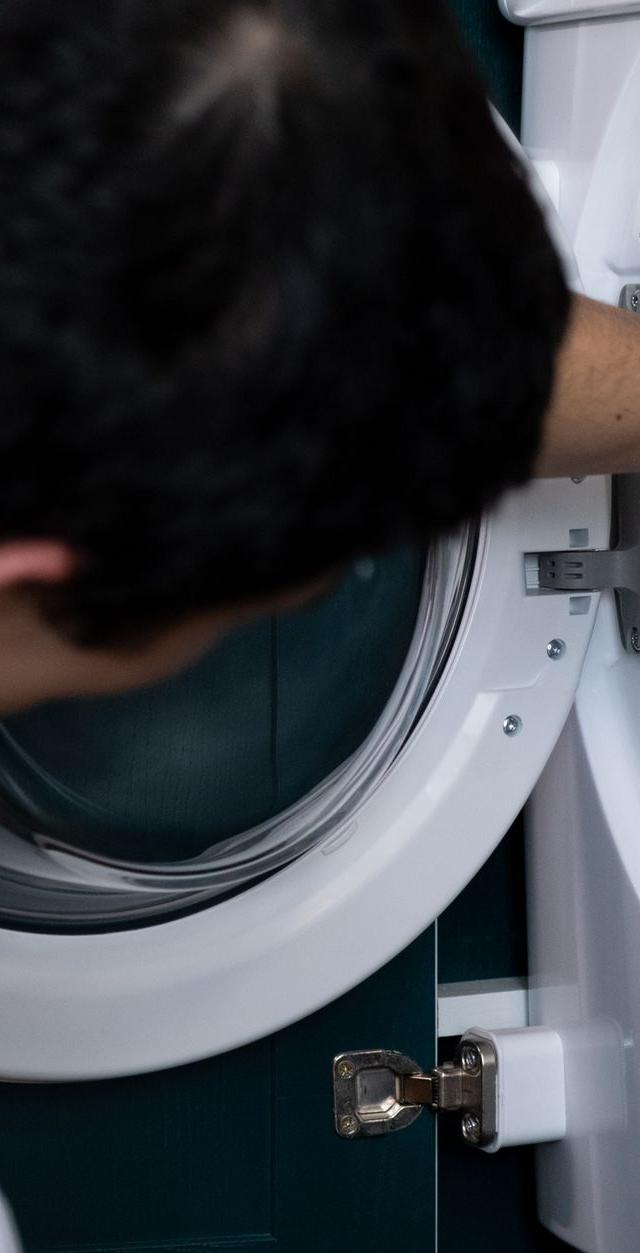
Two-person furniture and appliance delivery involves taking large items to the customer’s room of choice, with installation, assembly or old-appliance takeaway depending on the work. It is a delivery-and-installation role, rather than driving alone.
Picture arriving at a front door with a large appliance: the work is not finished when the van stops. Read what delivery to room of choice involves if you want to understand that distinction. When comparing jobs in delivery driving, consider whether you want this practical, customer-facing work; a closer look at two-person crew roles can help you explore that part separately.
How do I fit training and weekly pay into my plans?
For this opportunity, Parcelink offers six days of paid training and weekly pay to your bank. Confirm the training dates and when your first payment would arrive before making commitments around either.
Your first week needs a confirmed plan, not an assumption that all six training days fit neatly into it. Put the proposed dates beside your existing commitments, then ask what costs you would be responsible for and how payment is calculated. For the payment side, read more about weekly pay for delivery drivers. Weekly payment timing is useful to know, but it does not by itself tell you what money you will have left.
How can I take the next step without guessing?
Take the next step with your available days and your unanswered questions ready, rather than assuming the role will fit. Parcelink recruits self-employed two-person crews, welcomes owner van drivers, and its crews deliver and install for UK retailers; this is not an employed position.
With your calendar open, start your application and be ready to discuss your availability, location and whether you have your own van. If a particular day must stay free, make that clear: the right next step is establishing whether the arrangement works for you.
Frequently asked questions
Does self-employed delivery mean I can work whenever I want?
Do not assume self-employed delivery means unrestricted hours or days. Ask how availability is agreed, whether there is a minimum commitment, and what happens once you accept work. If protecting particular days matters to you, get a clear answer about those days before relying on the arrangement.
Are Amazon delivery jobs more flexible than two-person delivery?
You cannot establish which option gives you more control from the job titles alone. When comparing Amazon delivery jobs with two-person delivery work, ask each recruiter the same questions about availability, notice, starting location and accepted commitments. Compare the answers against your actual calendar, rather than choosing on the word ‘flexible’.
Can my mate and I apply as a crew?
The opportunity involves self-employed two-person crews, but that does not confirm whether you and a particular mate can join together. If working together is important, ask whether joint applications are accepted and how crew arrangements are made. Do not organise both your schedules around an unconfirmed pairing.
Do I need my own van for these delivery jobs?
Owner van drivers are welcome in this opportunity, but that does not establish the vehicle arrangements for someone without a van. Before spending money or making plans, ask what vehicle is required, whether any alternative arrangement exists, and which costs you would be responsible for. Get those details first.
Should I leave my current job before the training starts?
You do not need to make that decision on the strength of an advert. First confirm the training dates, work arrangements, payment timing and costs you would carry. If you are worried about a gap in income, put those details beside your existing commitments before deciding when to leave.
Sources
Ready to drive with Parcelink?
Local routes, paid training and weekly pay. Apply in minutes.
Start your application