What hours do delivery drivers work, start to finish?
By the Parcelink ops team · · 5 min read

You’re sitting in the cab after your last drop, looking at a message asking when you’ll be home. The frustration is familiar: you want to give a straight answer, and you want your time treated as worth something. Before moving into two-person delivery and installation, the question is not just when you start — it’s what counts as finished. Here’s how to get an answer you can actually plan around.
Key takeaways
- Ask whether the stated finish means the last delivery or the end of any return, handover and paperwork.
- Weekly pay and six days of paid training are offered, but neither tells you the length of your working day.
In this article
What hours do delivery drivers work?
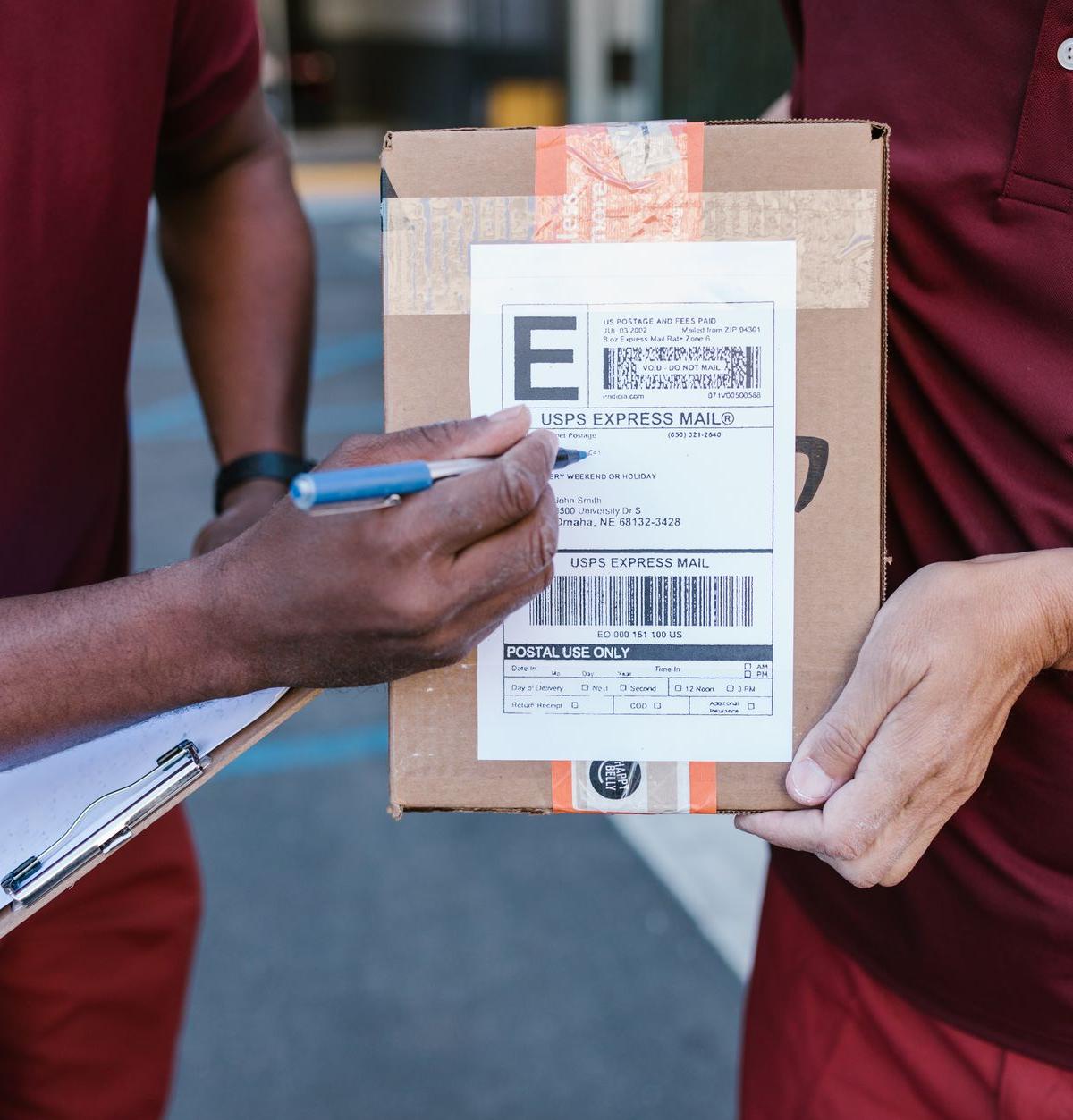
Ask for the expected reporting time, the usual finish range, the days required and the arrangements for breaks. Then ask how much notice you receive of your schedule. A weekly-pay arrangement answers when money reaches your bank, not when you get your evenings back.
Does the day end at the last delivery?
Do not treat “last delivery” as “finished for the day” unless that has been confirmed. Ask whether returning to the outbase, unloading, handover or paperwork forms part of the time you must set aside.
Picture the van keys still in your hand after the final customer has closed their door. The useful question is: “What, if anything, must I do before I can head home?” Get the reporting point and finishing point clear, rather than comparing opportunities using delivery time alone.
What should I ask about time spent inside customers’ homes?
Ask which services your route includes and how the planned day accounts for them. The self-employed crews described here deliver furniture and large electrical appliances to the room of choice, with services including installation, assembly and old-appliance takeaway.
A boxed appliance at the front door is not the same endpoint as an appliance delivered to the chosen room with the agreed work completed. If you are moving from courier work, understanding what delivery to the room of choice involves helps you ask better questions about the schedule.
Ask who you contact if access or an installation issue changes the plan, and what happens next. Knowing the support process matters more than being told the day will be straightforward.
How do I judge whether the hours are worth the money?
Compare the agreed payment, the costs you would carry and the full time you would need to commit.
Put two columns on paper: money left after your work costs, and hours committed from the required start to the actual finish. Ask how payment is calculated and what happens financially if a route changes or runs beyond the expected finish. Leave unanswered items blank rather than filling them with hopeful assumptions.
You already know how to get deliveries done; the decision is whether these terms respect your time. For the wider decision, consider whether self-employed delivery driving fits your circumstances alongside the schedule.
What would my first week look like?
Six days of paid training are offered, but the training timetable and the point at which delivery work begins are not specified. Do not assume those six days fit into your first calendar week or follow your eventual delivery hours.
Before arranging your availability, ask for the training dates, location, daily reporting and finishing times, and payment arrangements. You want to know where you need to be when you put your boots on that first morning — not discover the practical details after making commitments elsewhere.
How can I check the hours before making a move?
Ask for the schedule and payment terms before deciding whether the opportunity suits you. Keep your questions specific: reporting time, expected finish, working days, breaks, notice of changes and what happens when the planned day changes.
For opportunities through Parcelink, the work is carried out by its nationwide network of self-employed two-person crews, not employed delivery staff.
If that is the direction you want to explore, start your application and raise your hours questions early. You do not need a sales pitch about working harder. You need clear terms that let you decide whether the next move is worth your time.
Frequently asked questions
Will I have a fixed finishing time?
If you are worried about making plans after work, ask for the expected finish range, what counts as completing the day and how changes are communicated. Do not build an essential commitment around an unconfirmed finish.
Will I have to work weekends?
Ask which days are required, whether the pattern is regular and how availability is agreed. If keeping a particular day free matters to you, say so early rather than assuming self-employed status settles the scheduling question.
Are the six paid training days the same hours as delivery days?
Six days of paid training are offered, but neither the training hours nor the delivery-day hours are supplied. If you are fitting training around existing commitments, ask for both timetables separately. Confirm the dates and payment arrangements before relying on the training period to bridge a change of work.
Does weekly pay mean every hour is paid?
Weekly pay describes payment frequency, not an hourly payment arrangement. These opportunities offer weekly pay to your bank, but no rate or payment calculation is supplied here. If longer days are your concern, ask exactly what the agreed payment covers and how additional time or changed work is treated.
Where should I check the rules on driving hours?
Use the official GOV.UK drivers’ hours information rather than treating a recruitment article as legal advice. Ask which rules apply to the proposed vehicle and work, and how the planned schedule accounts for the relevant driving and rest requirements.
Sources
Ready to drive with Parcelink?
Local routes, paid training and weekly pay. Apply in minutes.
Start your application